Rayners Lane removals and station access advice HA5
Posted on 29/05/2026
Rayners Lane Removals and Station Access Advice HA5
If you are planning a move near Rayners Lane, the small details around access can make a big difference. A van that can't stop where it should, a shared driveway that is tighter than expected, or a lift that is out of action can quickly turn a simple removal into a stressful morning. This guide to Rayners Lane removals and station access advice HA5 breaks down the practical side of moving in the area: parking, loading, timing, access routes, common risks, and how to prepare properly. It is written for real moves, not neat theory.
Whether you are leaving a flat near the station, moving into a family house a few streets away, or arranging an office move with a tight handover window, the same principle applies: the better the access plan, the smoother the day. Truth be told, that one bit of planning often saves more time than a whole extra pair of hands.
Why Rayners Lane removals and station access advice HA5 Matters
Rayners Lane sits in a busy part of north-west London where residential streets, station traffic, and daily commuting all overlap. That makes removals a bit more sensitive than an average suburban move. You are not just moving furniture from A to B; you are also working around road width, foot traffic, parking pressure, and the practical realities of a station area.
This matters because access affects almost every part of the move. If the van has to park several houses away, carrying time increases. If there is no safe place to load, the crew may need to split the move into more trips. If access is blocked at the station end, your schedule can drift, and suddenly the whole day feels like it is running uphill. We have all had that kind of morning.
It also matters for neighbours. In an area like HA5, people notice when a vehicle is left awkwardly, when pathways are blocked, or when lifting gear is dragged across shared entrances. A considerate move is usually a smoother move. That is especially true around station-adjacent streets where space can be tight and people are trying to get past you on foot.
For people researching local moving support, it helps to look beyond the van itself. A good starting point is the wider removal services overview, which shows how a move can be shaped around property type, access, and timing rather than treated as a one-size-fits-all job.
How Rayners Lane removals and station access advice HA5 Works
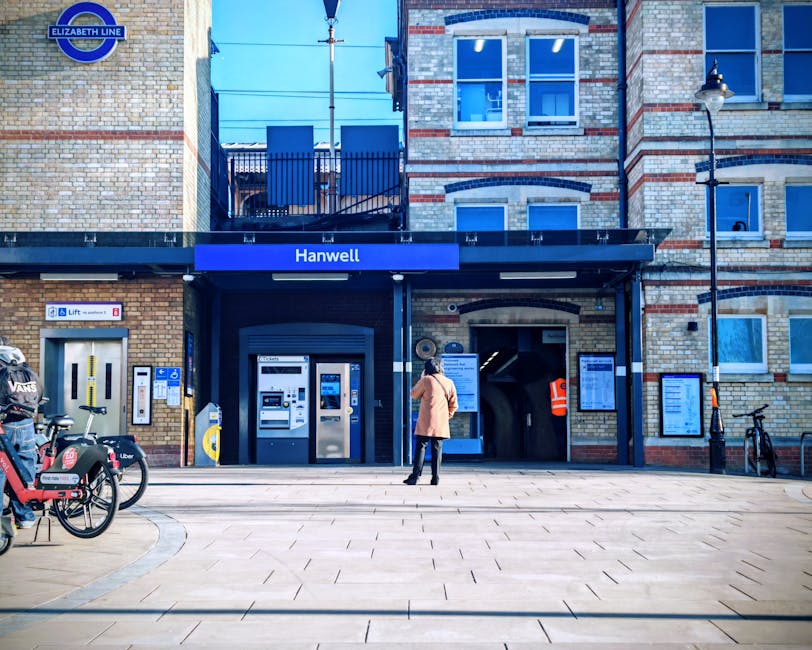
Good station access advice begins before moving day. In practice, it means mapping out where the vehicle can stop, how far items must be carried, what obstacles may appear, and whether there are restrictions around the property or near the station. If you are moving close to Rayners Lane Underground Station, the approach is usually simple in principle, but the detail matters.
First, you assess the property. Is it a flat above shops, a maisonette, a terraced house with limited frontage, or a larger house set back from the road? Then you look at the route from the front door to the vehicle. Are there steps? Is there a narrow path? Is there room to turn a trolley? Is the loading point on a bend, near a crossing, or close to a busier stretch of road? These little things are exactly what turns a quick job into a cumbersome one.
Second, you plan the timing. Station areas are often busiest during commute periods, school runs, and weekend peaks. An early start can help, but not always if the streets are already constrained. Sometimes a mid-morning slot is better. Sometimes it is the opposite. The right answer depends on the road layout and the move size, not just the clock.
Third, the removal team thinks about equipment. A sack truck, furniture blankets, straps, and protective covers can save a lot of effort and reduce the risk of knocks on tight door frames or stair rails. If there is a piano, a heavy wardrobe, or awkward furniture, special handling may be sensible. For that kind of item, a dedicated piano removals service in Harrow is often the safer route.
For smaller moves, a flexible man with a van in Harrow style service can be enough. For larger households or multiple stops, a more structured option from removals in Harrow may make more sense. The key is matching the access conditions to the vehicle and crew, not guessing and hoping.
Key Benefits and Practical Advantages
When access is planned properly, the benefits are felt immediately. Less walking. Less waiting. Less strain. Fewer surprise costs. And, to be fair, a lot less stress.
- Shorter loading times: A vehicle parked sensibly near the entrance reduces the carrying distance.
- Lower risk of damage: Fewer tight corners, fewer rushed lifts, and less chance of bumping walls or doors.
- Better schedule control: Good access keeps the move on time, which matters if you have key handover deadlines.
- More predictable pricing: When the move is planned clearly, estimates tend to be more accurate. See the site's pricing and quotes guidance for how quoting is approached.
- Less disruption for neighbours: A neat loading plan is simply more considerate in a busy area.
There is also a mental benefit that people overlook. If you know the access plan is sensible, you stop worrying about the van, the parking, the lift, and the stairs all at once. That frees you up to deal with paperwork, utilities, keys, and the hundred little tasks that always appear on moving day.
For some households, access planning also changes the service choice. A flat with limited parking may suit a small, agile crew. A house with a long driveway may suit a larger van and a fuller team. If you are moving out of a compact apartment, you may want to compare with the company's flat removals support or, for larger homes, the house removals option.
Who This Is For and When It Makes Sense
This kind of advice is useful for more people than you might think. It is not only for those living right next to the station. Anyone moving in the surrounding HA5 streets can benefit if the route to the vehicle is awkward, the parking is limited, or the property has shared access.
It is especially relevant if you are:
- moving from a flat or maisonette with shared stairs;
- living in a road where parking is already tight most days;
- moving on a weekday when station traffic is heavier;
- moving a family home with lots of medium-sized furniture;
- working to a same-day handover or completion window;
- relocating a small business or home office near Rayners Lane;
- moving items that need careful handling, such as wardrobes, mirrors, or instruments.
If you are a student moving locally, the access challenge can be different but still real. Multiple bags, boxes, and short notice are common, which is why a dedicated student removals service can be useful. If the move is happening fast, a same-day removals option may also be worth looking at, provided the access details are clear.
On the commercial side, smaller offices near station roads often need a tidy, punctual move with minimal interruption. In that case, a focused office removals service can be the better fit, especially where lifting points and parking are not straightforward.
Step-by-Step Guidance
Here is a practical way to prepare Rayners Lane removals and station access advice HA5 without making it overcomplicated. A calm, structured approach almost always beats last-minute guessing.
- Assess the property access. Measure stairs, note entrance widths, identify any awkward corners, and check whether items will need to be carried from the rear or front of the property.
- Check the loading point. Decide where the van should stop, how far away that point is, and whether the route crosses pavement, steps, or shared areas.
- Review parking constraints. Consider whether a short stop, controlled bay, or timed loading area is realistic. If parking is uncertain, build extra time into the schedule.
- List the awkward items. Sofas, beds, heavy desks, fragile cabinets, and anything unusually long or wide should be flagged early.
- Pack with access in mind. Keep essentials separate and label boxes so that unloading order makes sense. A move can get messy quickly if the first box needed is buried under kitchen items and winter coats.
- Confirm timing with everyone involved. If a landlord, estate agent, building manager, or neighbour needs to know about access, tell them before the van arrives.
- Prepare for the weather. A wet pavement or a cold, dark early start can slow things down more than people expect. One rainy morning and the front step suddenly becomes a little drama of its own.
- Keep a direct line open. On moving day, easy communication matters. If access changes, the driver needs to know quickly.
If you want to improve the packing side too, it is worth reading the company's guidance on packing and boxes in Harrow. That kind of prep sounds basic, but it can make loading much faster and safer. Sometimes the little jobs are the real ones.
Expert Tips for Better Results
There are a few details that experienced movers pay attention to almost automatically. These are the things people often miss the first time round.
1. Treat the access route like part of the inventory
People think about sofas, tables, and boxes. Fair enough. But the route is just as important. If a large wardrobe can fit through the door only when turned at a certain angle, that is not a minor detail; it is the detail.
2. Load the vehicle in the order you want things to come out
If you are moving into a flat with a narrow stairwell, put the most awkward items in a sequence that matches the unload plan. Saves time later. Saves a lot of sighing, too.
3. Protect the first and last ten metres
The area nearest the door and the vehicle is where damage tends to happen. Use covers, take corners slowly, and avoid rushing the final hand-off. A tiny scrape at the threshold is frustrating because it is so avoidable.
4. Keep one person free to watch the route
On tighter streets, it helps to have someone watching for pedestrians, passing vehicles, or an awkward turn by the van. Nothing dramatic. Just sensible.
5. Use the move to declutter
If access is tight, reducing volume matters more. A cleaner move often comes from moving less. If you are unsure what to store, a flexible storage option for the area can be a practical buffer, especially during chain delays or renovation work.
If you are weighing service quality as well as logistics, you can also look at the business's about us page and the customer feedback section at testimonials. Not glamorous reading, maybe, but useful when you want a feel for how a company works under real conditions.
Common Mistakes to Avoid
A lot of moving problems near station areas come down to simple oversights. Nothing exotic. Just avoidable stuff.
- Assuming parking will sort itself out: It usually does not. If you need a specific stopping point, plan it.
- Underestimating carrying distance: Twenty metres extra sounds small until you are carrying a washing machine or a heavy chest of drawers.
- Forgetting shared access rules: Communal paths, bin stores, and internal corridors can complicate the route.
- Not mentioning bulky or fragile items: The removal team can only plan for what they know about.
- Booking too close to handover time: If anything slips, the pressure rises fast.
- Overpacking boxes: Heavy boxes are harder to carry on stairs and more likely to split.
- Ignoring the weather: Wet paths and slippy steps are not a small issue.
One particularly common mistake is treating a move near a station like a standard suburban pick-up. It is not. The road environment, the footfall, and the timing all matter. That does not mean the move will be difficult. It just means it deserves a bit more thought upfront.
Tools, Resources and Recommendations
You do not need a complicated toolkit for a local removal, but a few items make a very real difference. Most of the benefit is in the practical basics.
- Furniture blankets and covers: Good for door frames, polished wood, and anything that scratches easily.
- Straps and tie-downs: Help secure loads during transport so items do not shift.
- Sack truck or trolley: Useful for boxes, small appliances, and repetitive carrying.
- Labels and markers: Simple, but they save time when unloading.
- Floor protection: Helpful in damp weather or where shared entrances need care.
- Inventory notes: A short list of large or fragile pieces keeps everyone aligned.
For a full view of available support, the site's services section is a good place to compare what matches your move size and access conditions. If you are trying to decide whether you need a van-only service, more hands, or specialist handling, this is where the decision gets clearer.
You may also find the local reading helpful. The blog article on Harrow on the Hill removals with parking tips is especially relevant if you are dealing with tight streets, and the piece on exploring Harrow on foot gives a good sense of how neighbourhood layout can affect everyday movement. Different area, same idea: local context matters more than people think.
Law, Compliance, Standards, or Best Practice
For removals around station areas, the main compliance issues are usually practical rather than dramatic. You are looking at safe loading, careful driving, sensible parking, and respect for property access. There may also be building rules, managed estate rules, or local parking constraints that need to be respected. If a landlord or building manager has conditions for move-in or move-out, follow them.
It is also sensible to use a removals company that takes safety seriously. That means proper handling practices, appropriate lifting methods, and clear communication about access risks. The company's health and safety policy and insurance and safety information are useful trust signals when you are deciding who to book.
If the move involves waste, unwanted furniture, or packaging that will not be reused, ask about responsible disposal or recycling options. That is where a service's recycling and sustainability approach can be genuinely helpful, not just a nice phrase on a page.
Best practice is straightforward: keep access clear, protect shared spaces, communicate early, and avoid forcing a move through a route that is too tight. If something looks risky, say so. Better a five-minute conversation than a damaged banister or a scrunched timetable.
Options, Methods, or Comparison Table
Different moves around Rayners Lane need different setups. The best option depends on volume, access, and timing. Here is a simple comparison.
| Move type | Best for | Access considerations | Typical fit |
|---|---|---|---|
| Man with a van | Smaller loads, quick local moves | Good where parking is tight and items are manageable | Singles, couples, light flat moves |
| Full removals team | Larger homes, multiple heavy items | Useful when stair carries, careful wrapping, and coordination matter | Family moves, longer unloads, fuller inventories |
| Same-day removals | Short-notice changes | Only sensible if access is clear enough to avoid delays | Urgent handovers, sudden changes, breakdown of plans |
| Specialist item move | Pianos, antiques, very heavy or delicate items | Needs careful route planning and appropriate handling equipment | High-value or awkward pieces |
There is no single winner here. The right method depends on what is being moved and how the property is laid out. If in doubt, use the simplest service that still feels safe and realistic. That is usually the sweet spot.
Case Study or Real-World Example
Imagine a couple moving from a first-floor flat near Rayners Lane station into a two-bedroom house a few streets away. On paper, it looks like a short move. In reality, the flat has a narrow staircase, the street outside is parked up by late morning, and the new place sits on a road where stopping directly outside may depend on timing.
The couple starts by separating what must go on the van first: beds, mattress, dining table, and boxed kitchen items. They also flag a heavy bookcase and a mirror. The removal team checks the access route the day before, confirms a sensible loading point, and suggests a slightly earlier start to avoid commuter pressure. Nothing dramatic. Just good planning.
On moving day, the van is positioned where the carrying distance is shortest, but without blocking a driveway or forcing pedestrians into the road. The team uses blankets for the mirror and a trolley for the heaviest boxes. Because the packing is tidy and the route is clear, the move finishes without the usual scramble. The couple still has a bit of unpacking to do, obviously, but the stressful part is gone.
That is the point of access advice. It does not make moving magical. It just removes the avoidable friction.
If the move had been larger or included office furniture, the next step might have been a more structured option from removal companies in Harrow or a specialised removal van service with a better fit for the route and volume. Different tools for different jobs. Sounds obvious. Still easy to get wrong.
Practical Checklist
Use this checklist the day before your move. It is simple, but it covers the stuff that tends to get forgotten when everyone is busy and slightly tired.
- Confirm the exact moving address and access points.
- Check where the van will stop and whether it needs to avoid crossings, bends, or tight corners.
- Measure awkward furniture and doorways if there is any doubt.
- Set aside fragile items, essentials, and valuables.
- Label boxes clearly by room.
- Tell neighbours or building contacts if the move may affect shared access.
- Keep hallways, stairs, and entrances clear.
- Prepare any keys, codes, or entry instructions in advance.
- Make a note of any items needing extra care, such as glass, instruments, or antiques.
- Have a backup plan if parking is unexpectedly limited.
Expert summary: in Rayners Lane, the smoothest removals are usually the ones where parking, walking distance, timing, and load order are planned together. Not separately. Together. That one shift in thinking can remove a surprising amount of pressure from moving day.
Conclusion
Rayners Lane removals and station access advice HA5 is really about making the move workable in a busy local setting. Once you treat access as part of the job, rather than an afterthought, everything gets easier: the loading, the timing, the safety, and the general mood of the day. And yes, that mood matters more than people admit.
For local residents, students, families, and small businesses alike, the winning formula is the same: plan the route, respect the space, and choose the right level of service for the property. A little detail at the start can save a lot of friction later. That is especially true near station roads where traffic, parking, and pedestrians all have their own rhythm.
If you are comparing options for a local move, it helps to look at the wider range of support, from removals in Harrow to man and van services, and choose based on access rather than guesswork. You will feel the difference on the day.
Get a free quote today and see how much you can save.
For any move, the calmest outcome usually comes from the simplest habits: ask the right questions, keep the route clear, and give yourself a bit of breathing room. It really does help.